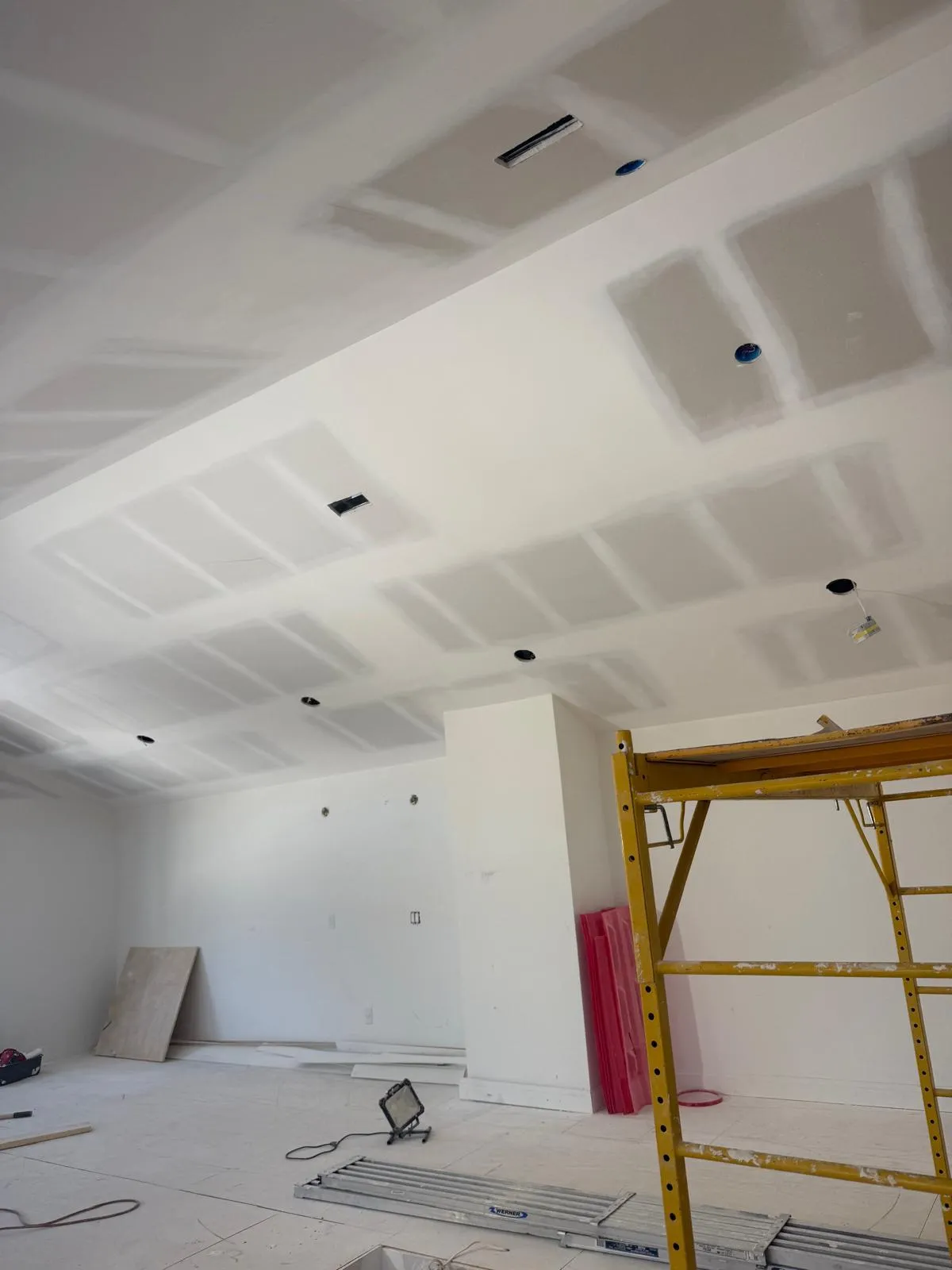
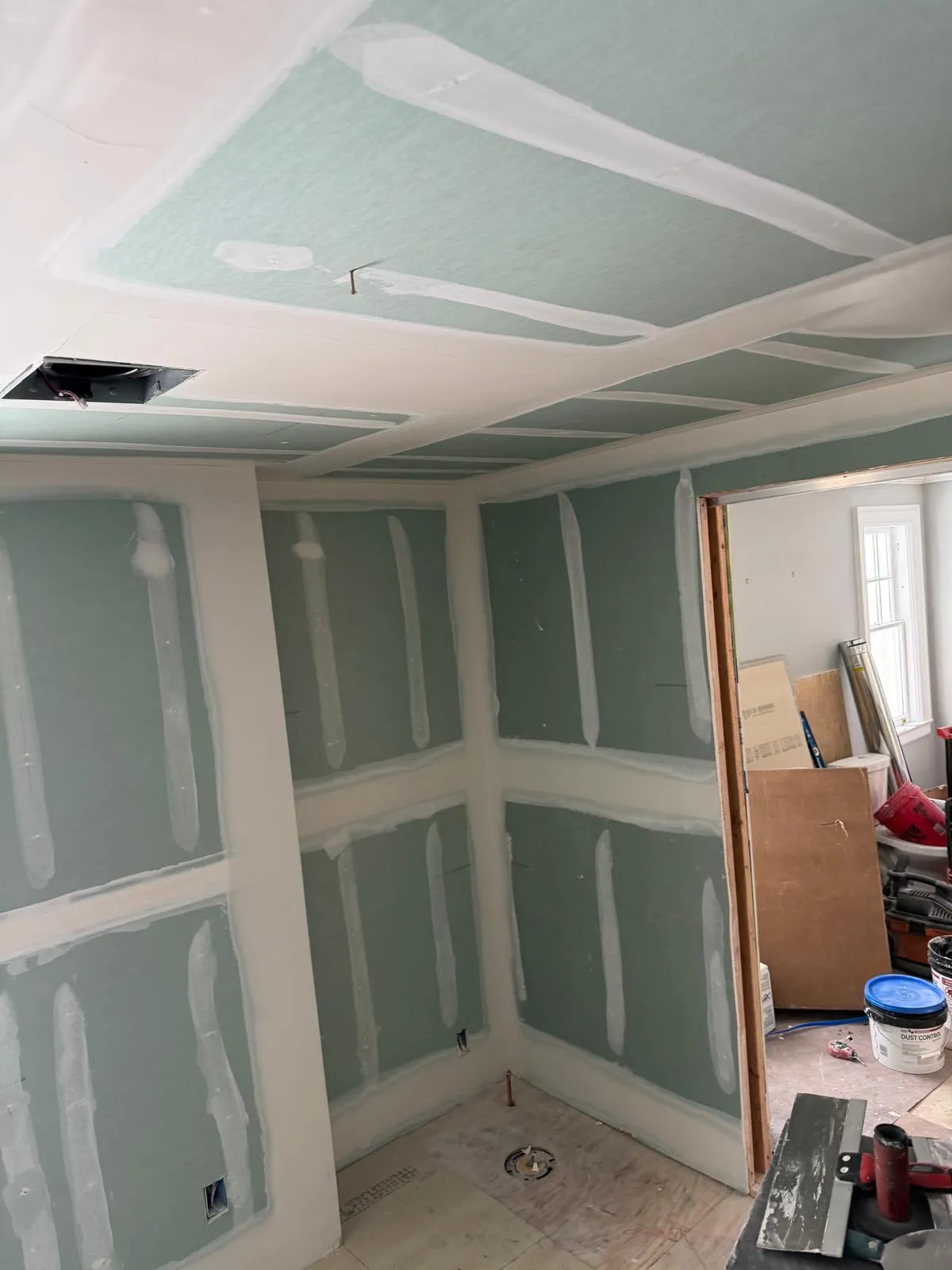
A crack in your wall does not always mean a big job. Some drywall damage is a quick patch, and some calls for a full replacement. The difference comes down to the size of the damage, the cause behind it, and whether the panel is still solid. In New York, seasonal shifts, moisture, and older homes all play a role. Knowing what you are looking at saves you from overpaying for a replacement you did not need, or underpaying for a patch that will not hold. This guide walks through what repair covers, when replacement is the better call, and what to check before you decide. If you would rather have a pro look, we handle drywall repair and replacement in New York with free estimates.
When Drywall Repair Is Enough
Repair works when the damage is limited and the panel behind it is still solid. Small holes from doorknobs, picture hooks, or minor impacts are simple patches. Hairline cracks along seams or corners from normal settling are routine fixes. Nail pops, where a fastener pushes through the surface, just need a new screw and a patch. Surface scuffs, dents, and dings from daily life are all repair territory. The key is that the drywall itself is intact. If the panel is firm, flat, and dry, a good patch, tape, mud, and sand will make the wall look new. Repair is fast, affordable, and does not require removing the panel.
When Full Replacement Is the Better Call
Replacement is the right move when the panel itself has failed. Large holes, crumbling edges, and drywall that is soft or spongy point to damage that patching will not fix. Water damage is a common reason for replacement. If the drywall got soaked from a leak, flood, or burst pipe, it loses its structure and can grow mold behind the surface. Sagging ceilings are another sign, since the panel has lost its hold. Fire-damaged drywall, even if it looks intact, may be compromised inside. If the damage covers a large area or goes through the panel, new drywall gives you a solid, clean surface that a patch cannot.
Water Damage Changes Everything
Water is the main reason a repair turns into a replacement. Drywall absorbs moisture fast, and once it is soaked, it swells, softens, and loses strength. A small water stain on the surface might just need drying and a coat of paint. But if the panel feels soft when you press it, or if the stain keeps coming back, the drywall needs to come out. Mold can grow behind wet drywall within days, and painting over it does not solve the problem. The source of the water has to be fixed first, then the damaged section gets cut out and replaced with fresh panels. Skipping this step leads to bigger problems later.
What to Check Before You Decide
Start by pressing on the damaged area. If the drywall feels firm and solid, repair is likely enough. If it feels soft, spongy, or crumbles, replacement is the move. Look for discoloration or staining that points to moisture behind the wall. Check if the damage is localized or spreading. A single crack or hole is a repair. Multiple cracks, bulging seams, or a large damaged section may call for new panels. Smell for mustiness, which can mean mold. When in doubt, a drywall pro can tell you in minutes whether a patch will hold or whether the panel needs to go. We look at your walls and give you a straight answer with a free estimate.