You painted a room, and a few months later thin cracks or little bumps show up on the wall. It is annoying, and it makes you wonder if something is wrong. Most of the time, cracks and nail pops in your walls are cosmetic, not structural. They come from a home settling and from wood framing moving as the seasons change. In New York, dry winter heat and humid summers make walls expand and contract, which pushes at seams and fasteners. The good news is that these are usually easy to fix, and a proper repair keeps them from coming back. In this guide, we will explain what causes wall cracks, why nail pops happen, which ones are harmless, and how to fix them the right way. If you would rather hand it off, we handle drywall repair for homes in New York, with free estimates.
What Causes Cracks in Drywall
Most drywall cracks come from movement, not damage. A house settles over time, and the framing behind your walls shifts a little with temperature and humidity. When it moves, the drywall seams and corners take the stress, and thin cracks appear. You will often see them above doors and windows, since those spots carry the most stress. Cracks along a taped seam usually mean the joint moved or the tape was not fully bonded. In New York, the big swing between dry winter heat and humid summers makes this worse, as walls expand and contract with the seasons. A hairline crack is usually cosmetic. A wide, growing crack is worth a closer look, since it can point to a bigger issue.
Why Nail Pops Happen
A nail pop is that small round bump or crack where a fastener has pushed the drywall out. It happens when the wood framing behind the wall shifts and dries out, which loosens the nail or screw holding the drywall in place. As the wood moves, the fastener backs out slightly and pushes the surface, cracking the paint or paper over it. New homes often get nail pops in the first year or two as the lumber dries and settles. Older homes get them as seasons cycle. They are almost always cosmetic, not a sign the wall is failing. The key is fixing them properly, since simply filling the bump without securing the drywall lets the pop come right back.
Which Cracks Are Harmless and Which Are Not
Most cracks are nothing to worry about. Thin, hairline cracks along seams, corners, and above doors are normal settling and cosmetic. So are small nail pops. These just need a proper patch. Some cracks deserve a closer look, though. Wide cracks, cracks that keep growing, or cracks that run at a diagonal from corners can point to a structural or moisture issue. Cracks paired with sticking doors, uneven floors, or water stains are also worth investigating. If a crack keeps coming back after you fix it, something behind the wall is still moving. When in doubt, have a pro look. They can tell fast whether it is simple settling or a sign of something that needs attention first.
How to Fix Cracks and Nail Pops for Good
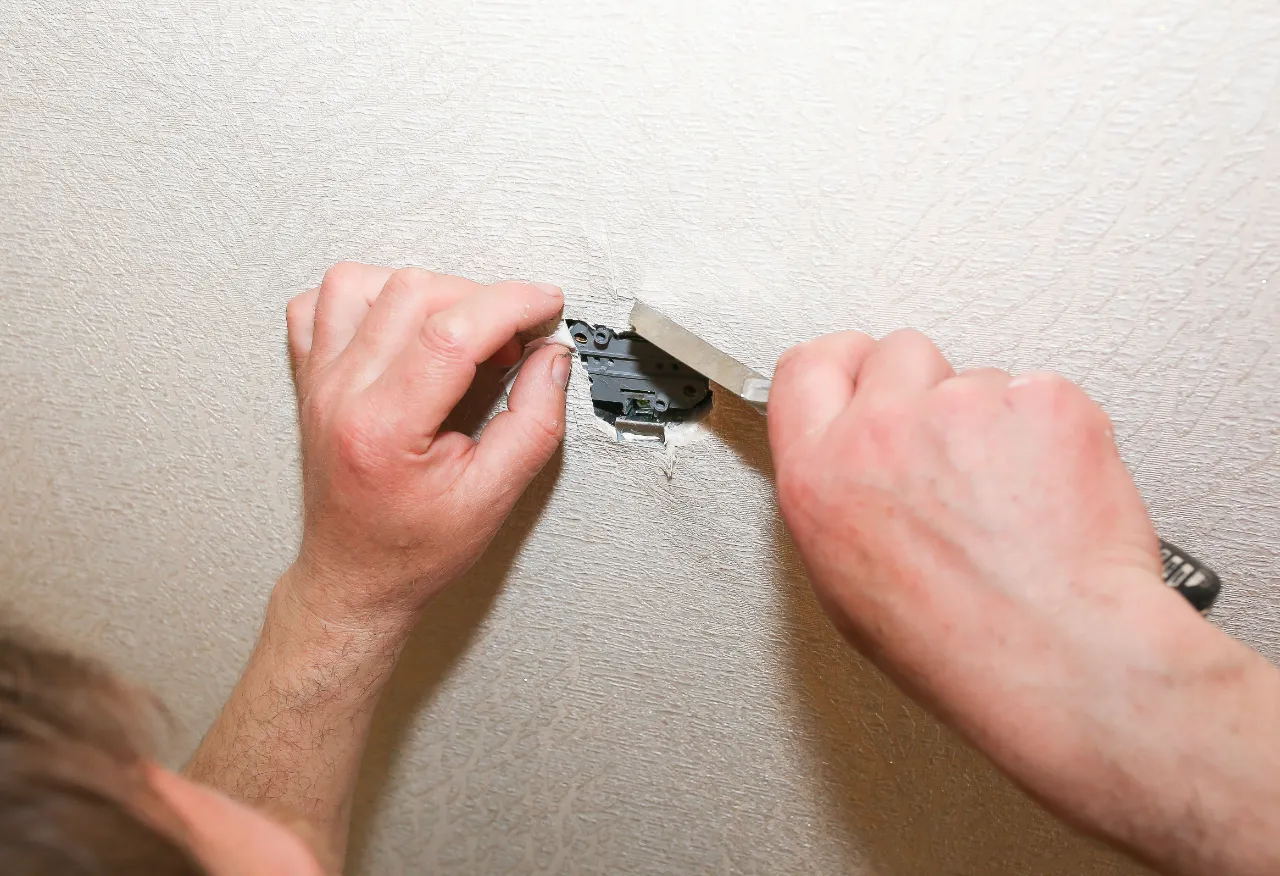
The trick is fixing the cause, not just the surface. For a nail pop, drive a new screw a couple of inches away to pull the drywall tight to the framing, then set the popped fastener and patch over both. Just filling the bump without securing the panel lets it pop again. For a seam crack, cut out the loose tape, re-tape the joint, then mud, sand, and blend it smooth. Prime the patch before painting so it does not flash through. Done this way, the repair holds instead of reappearing next season. If you have a lot of them, or the cracks keep returning, a drywall pro will fix them right and match the finish so the wall looks new.